The commitment of the Asian Heritage Foundation Nepal to a holistic and humanistic vision of quality education in rural Nepal is commendable. This vision aligns with several fundamental principles and values related to education and its transformative power:
- Right to Education: The belief in everyone’s right to education is a fundamental human right. Ensuring access to quality education for all, regardless of their socio-economic background or location, is a cornerstone of equitable and inclusive development.
- Education for Human Development: Education is not merely about acquiring knowledge and skills; it is also about personal and human development. A holistic approach to education emphasizes the development of individuals as well-rounded, socially responsible, and ethically minded citizens.
- Social and Economic Development: Education is a catalyst for both social and economic development. It empowers individuals to participate meaningfully in society, contribute to the economy, and break the cycle of poverty. A well-educated population is a valuable asset for any nation.
- Transformative Potential: Education has the power to transform lives. It can empower individuals to pursue their dreams, reach their full potential, and become active agents of positive change in their communities and beyond.
- Role Models for Change: Educated individuals often serve as role models within their communities. They can inspire and motivate others to seek education and make positive contributions to society. This ripple effect can lead to broader social and economic progress.
- Community Engagement: Holistic education often involves the active engagement of communities. It recognizes that education is not isolated from the broader social context but is deeply intertwined with the values, culture, and needs of the community it serves.
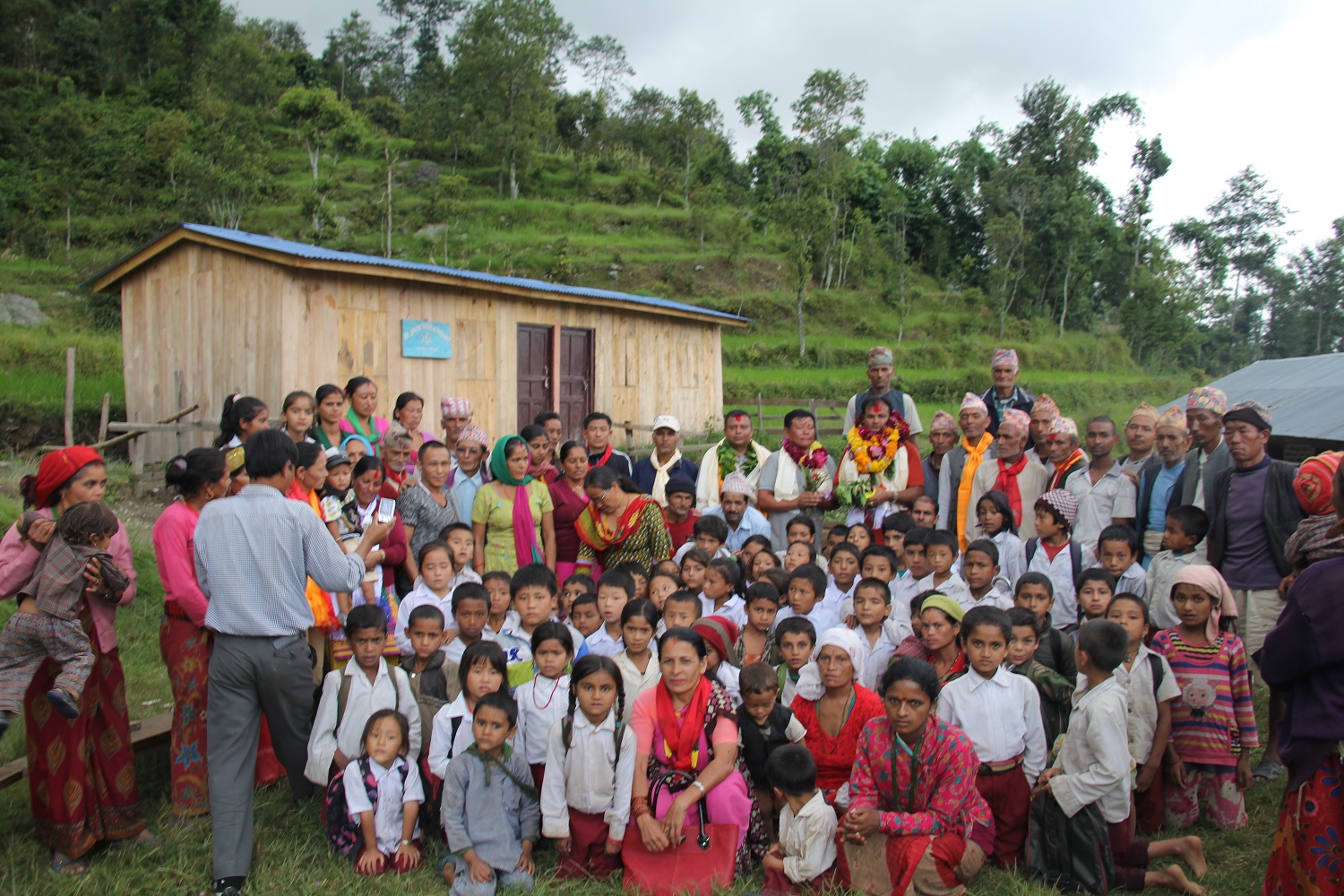
The Asian Heritage Foundation Nepal’s focus on quality education in rural areas acknowledges the importance of addressing educational disparities that exist between urban and rural regions. This commitment can help bridge the gap and create opportunities for rural populations to access education and its benefits.
Efforts to improve education in rural areas can involve initiatives such as building schools, training teachers, providing scholarships, and developing relevant curricula that align with local needs. It’s a holistic approach that takes into account not only the educational aspect but also the broader socio-economic and cultural context of the communities being served.
By promoting quality education in rural Nepal, the foundation is contributing to the overall well-being and development of the country, fostering a new generation of responsible and empowered citizens who can be catalysts for positive change.